Transparency in Retail Design: Delivering Digital Impact Without Blocking Space
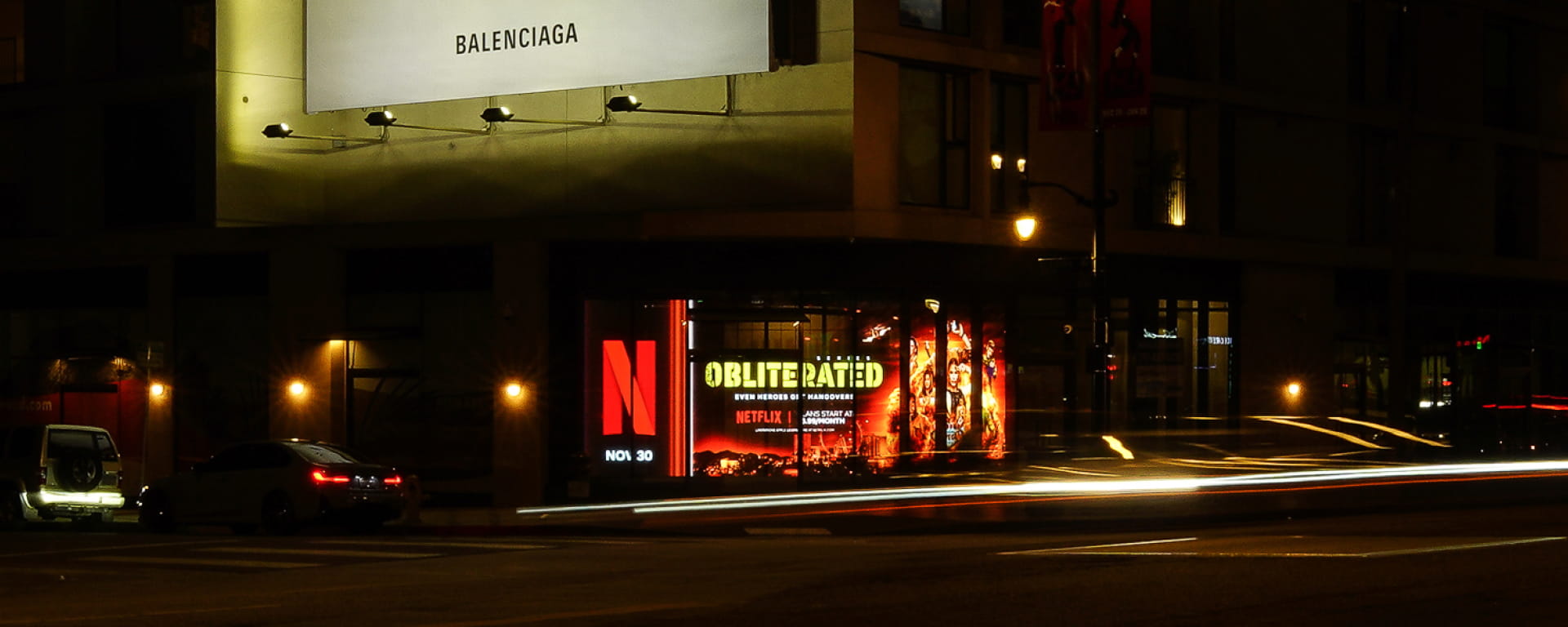

In retail, visibility is everything.
But so is light. So is openness. So is the invitation a storefront extends to the street.
For years, digital signage has delivered impact at the cost of transparency. Opaque LED walls block natural light. They interrupt sightlines.They turn windows into barriers.
In premium retail environments, that trade-off is no longer acceptable.
The Storefront as a Strategic Asset
The storefront window is among the most valuable real estate in any retail property. It is the first touchpoint between brand and passerby. Yet many windows remain static, seasonal vinyl, printed graphics, temporary installations.
Digital media offers agility: instant campaign updates, motion-driven engagement, brand storytelling. But when implemented without architectural sensitivity, it can compromise the openness that makes storefronts inviting.
The question is no longer whether to digitize, it is how to digitize responsibly.
The Role of Transparency
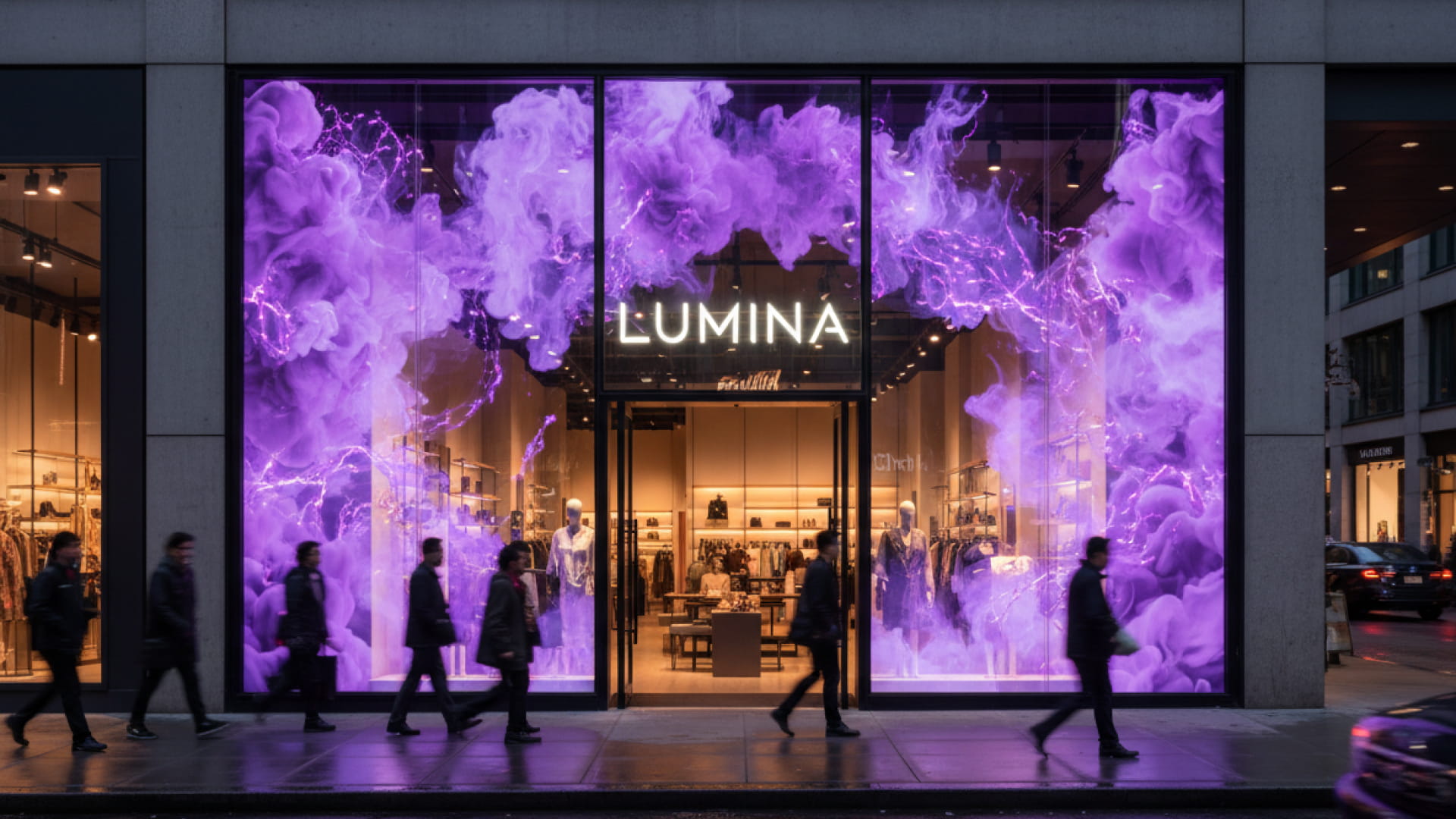
Transparent LED allows retailers to activate storefronts while preservingthe physical qualities that matter:
- Natural light flow
- Visibility into the store
- Architectural cohesion
- Premium aesthetic
Rather than replacing the window, transparent media enhances it.
During the day, the space remains open and connected to the street. Atnight, it becomes a luminous brand statement. The storefront evolves fromstatic display to programmable portal.
Experience Over Hardware
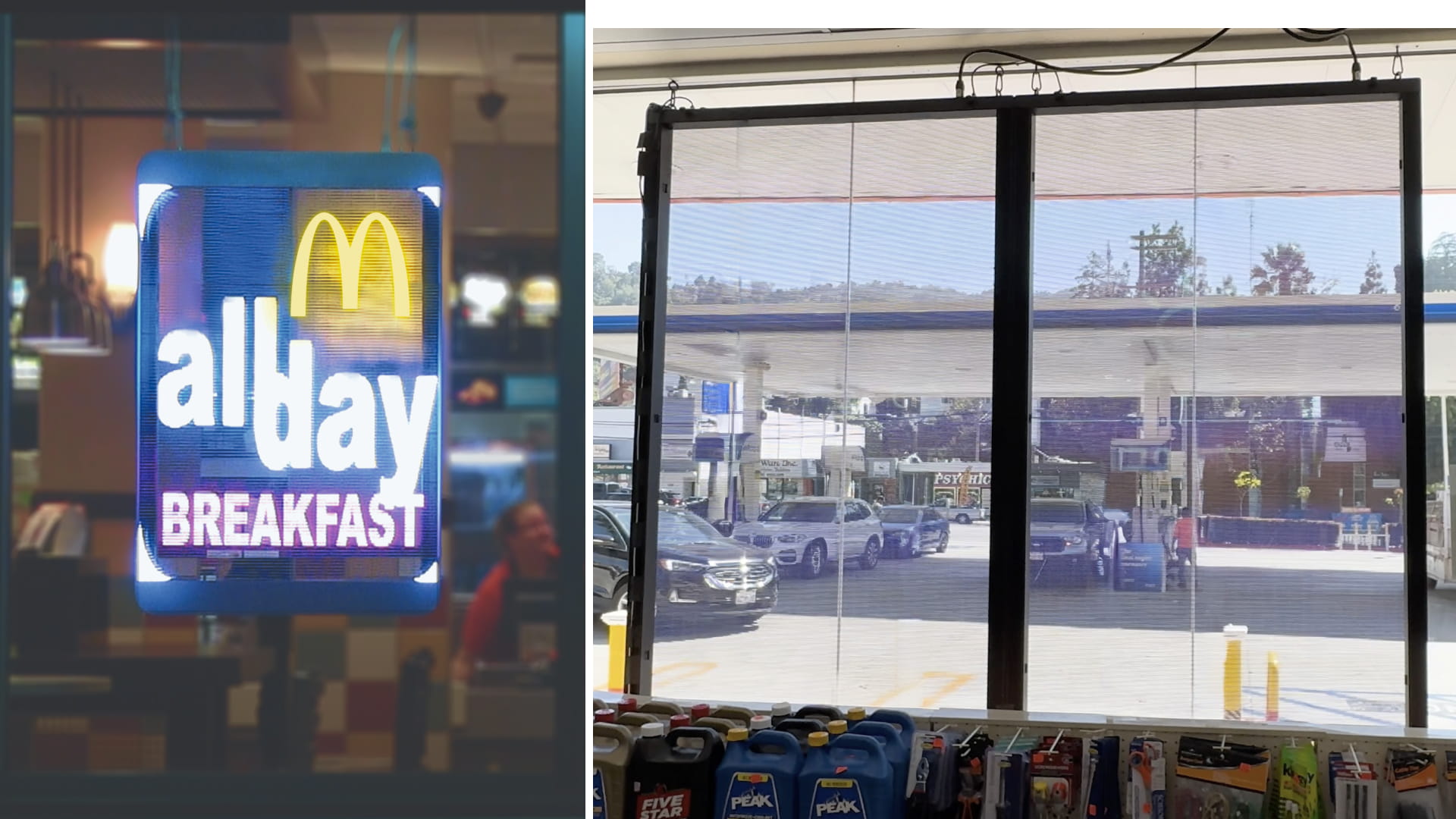
Retailers are not buying screens. They are investing in experience.
Dynamic storefronts increase dwell time. Motion captures attention more effectively than static graphics. Content can be localized, seasonal, or synchronized across multiple locations.
More importantly, transparent LED supports the architectural language of modern retail, glass, steel, minimalism, instead of fighting against it.
Long-Term Value vs Short-Term Campaigns
A well-integrated media surface is not a campaign tool. It is infrastructure.
It supports:
- Ongoing content evolution
- Multi-location brand consistency
- Event-driven activations
- Managed media strategies
When considered as part of the architectural plan, it becomes an asset rather than an add-on.
Retail’s Physical Future
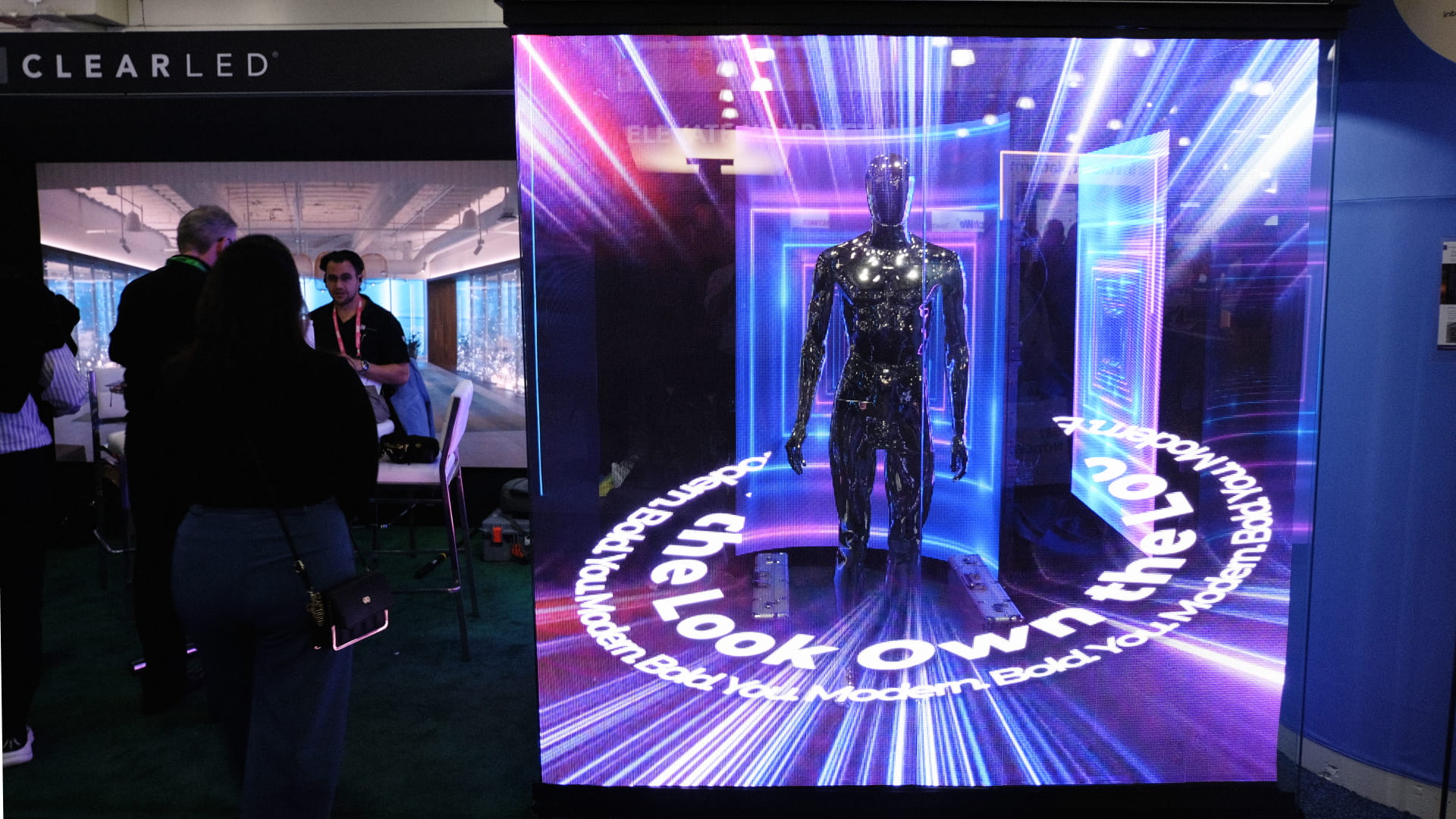
E-commerce has forced physical retail to justify itself. The stores that succeed are those that offer something digital cannot: spatial experience.
Transparent media bridges physical and digital worlds without overwhelming either.
At ClearLED, we believe retail spaces should remain open, light-filled,and architecturally intentional, while gaining the flexibility of dynamic storytelling.
If you are rethinking storefront strategy or planning your next retail development, transparency may be the design variable that changes the equation.